Realworld
Evolving in Uncertainty: Culture, Practices, and Organizational Maturity · LAB
In an environment where change is constant, organizations face a key challenge: evolving without absolute certainties. The Runroom LAB Leading from Values left us with a central idea that acts as the guiding thread of all organizational transformation: results are not a coincidence, they are a direct consequence of our culture.
From Values to Results: The Invisible Chain
One of the most powerful learnings from the LAB is summarized in a clear sequence:
Results follow practices.
Practices follow culture.
Culture follows values.
Therefore, lead with values.
This relationship invites us to look beyond the final indicators. If we want to improve results, it is not enough to intervene in execution: we must go to the root, to the values that sustain the organizational culture.
Organizational Culture: What We Really Do
Culture is not what we say we are, but what we do every day. It is formed by values, yes, but above all by observable behaviors at all levels of the organization.
In the LAB, a key idea was reinforced: what counts are real practices, not statements of intent.
Therefore, any attempt at transformation necessarily involves questioning and redesigning those daily practices.
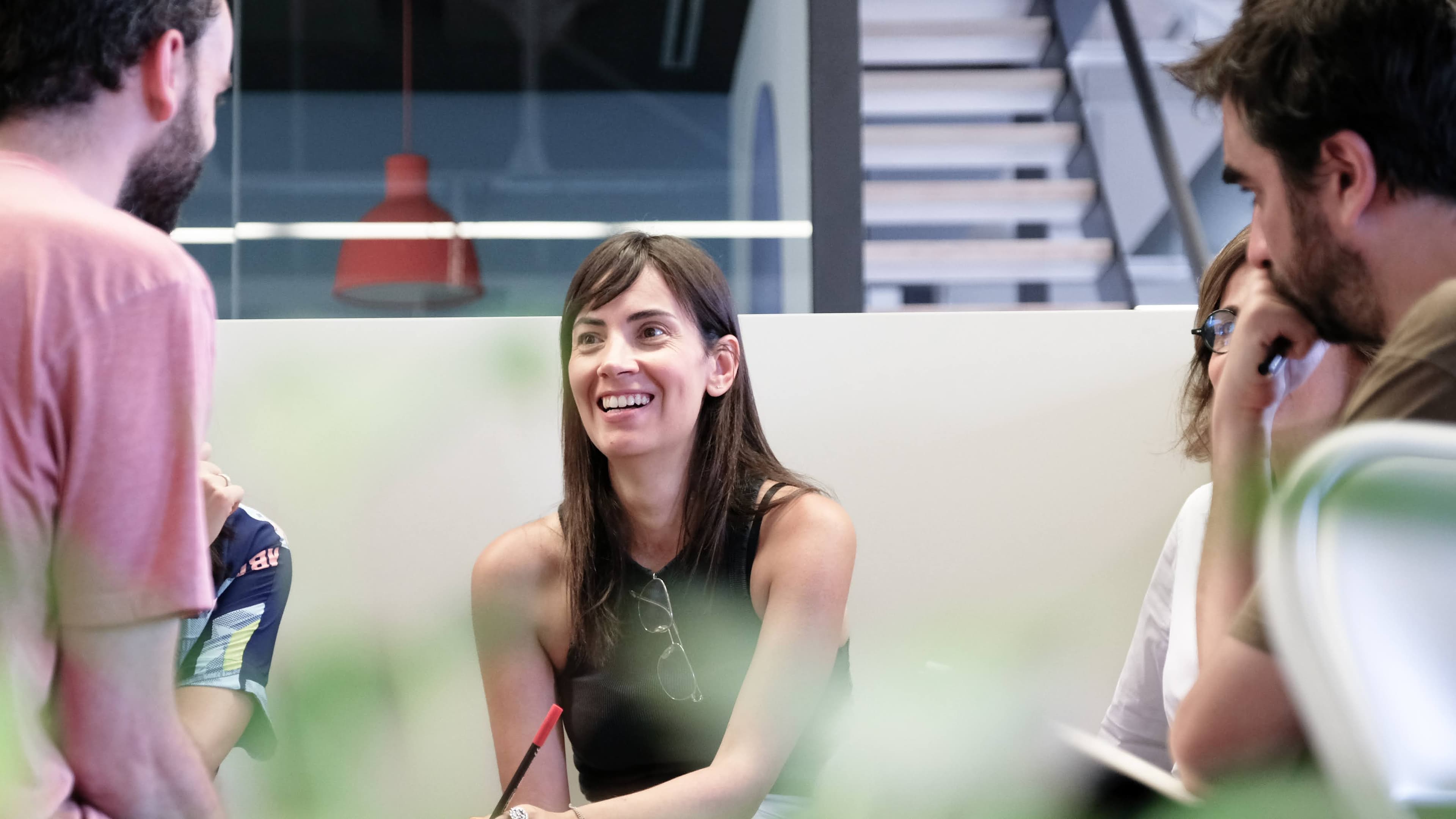
Organizational Agility: Beyond the Discourse
Another concept worked on was organizational agility, understood as the combination of:
- Adaptability
- Speed in decision-making
- Culture of constant feedback
- Alignment between teams
- Continuous learning
But agility does not occur in isolation. It requires understanding the organization as an interconnected system, where it is essential to generate a coherent workflow from strategy to operation.
Organizational Maturity and the Difficulty of Change
One of the most revealing moments of the LAB was the analysis of how the level of organizational maturity influences the implementation of changes.
Variables explored included:
- Social innovation
- Social capital
- Social cohesion
And how these directly impact the ease (or difficulty) of transforming an organization. In some cases, the results broke with certain previous intuitions, highlighting the complexity of organizational change.
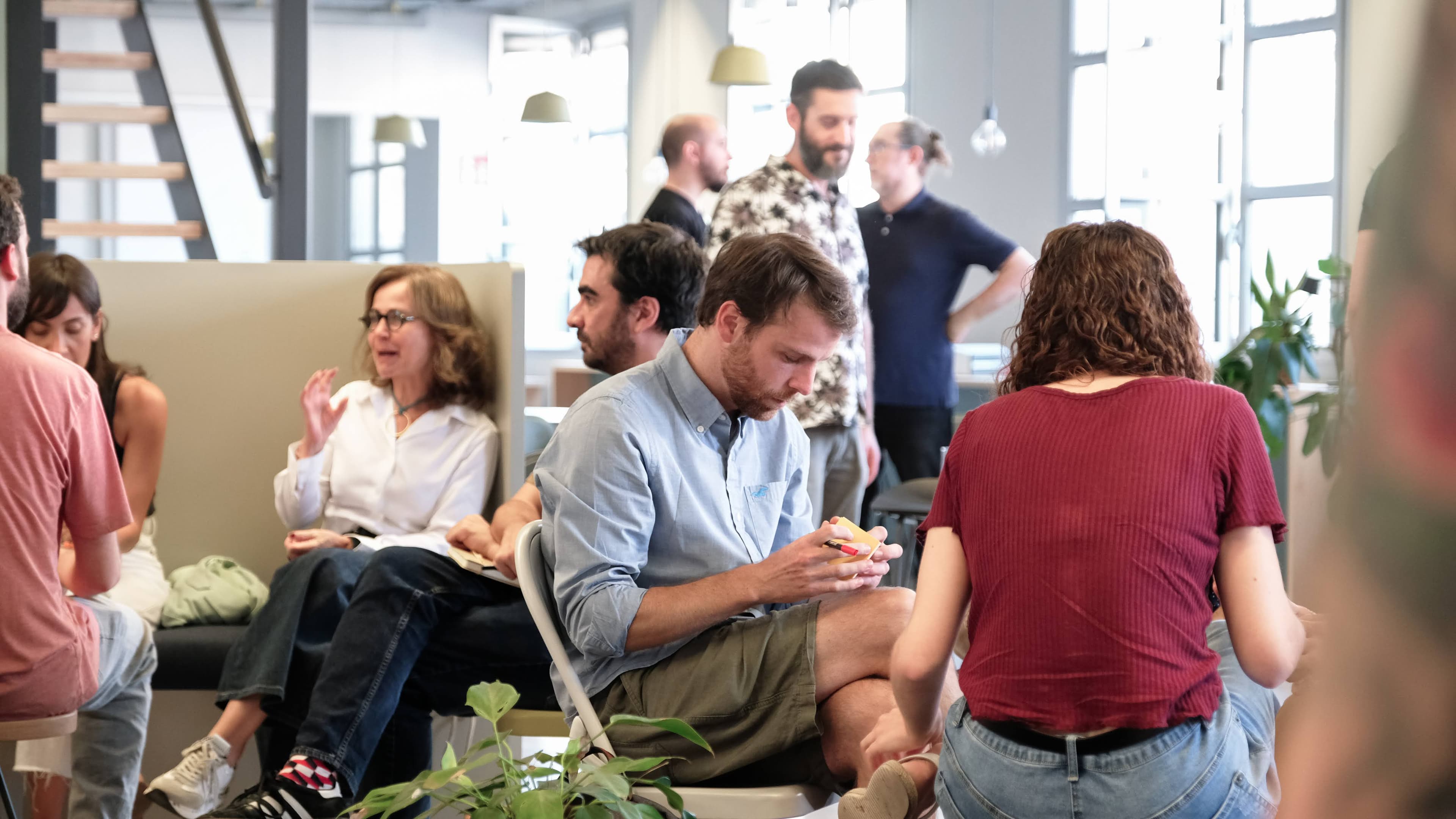
Tools to Move Forward
Beyond reflection, the LAB provided practical tools to:
- Evaluate the current culture of an organization
- Identify areas for improvement
- Design strategies aligned with desired outcomes
These tools allow moving from diagnosis to action with greater clarity and focus.
In this presentation you can see the charts we used as a reference throughout the LAB to evaluate the current culture of your organization, identify areas for improvement, and help create effective strategies to achieve defined results.
A Space to Learn and Share
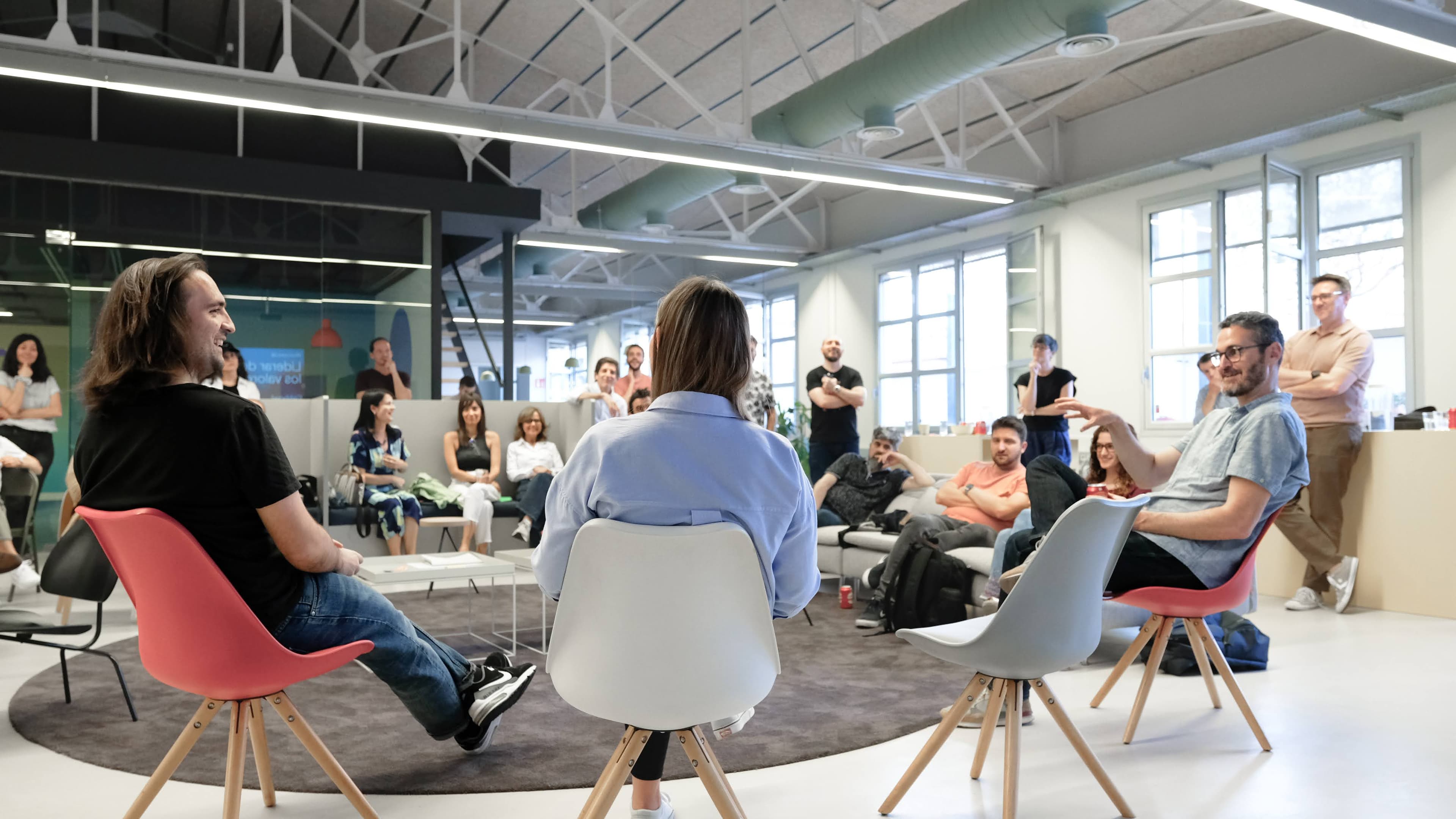
The event combined different formats to enrich the experience:
- Talk + workshop, with participatory dynamics led by Carlos Sánchez and Manu Martín
- Fishbowl, an open conversation space facilitated by Stooa, where attendees could share doubts and experiences
- Informal closing, with beers and networking to continue connecting
Conclusion
Evolving in uncertainty is not about applying magic formulas, but about deeply understanding how our organizations work.
If we want better results, we must start by reviewing our values, transforming our culture, and redesigning our practices.
Because in the end, leading an organization is, above all, leading its culture.
The Facilitators
The LAB was guided by:
Carlos Sánchez
Organizational consultant and co-founder of Tuataramente. A systemic thinker and passionate about the Slow philosophy, he sees play as the natural way to learn.
Manu Martín
Organizational consultant and co-founder of Tuataramente. With a background in computer engineering, he now defines himself as a pragmatic student of context and its multiple perspectives.
Let's talk
Tell us about your challenge, and we'll explore how to turn it into a growth opportunity together.