The Future of Virtual Assistants in Healthcare: Alexa We Care, the Skill for the Elderly

Areas
Investigación de usuario. Customer Journey Mapping. Experience design. Design Thinking. Innovación estratégica. Orientación a outcomes e impacto
The global population is aging, and we need tools that allow us to assist and care for our elderly relatives or those with care needs. We considered how we could use our knowledge of voice assistants to serve the elderly and their families. We conceptualized Alexa “We Care,” a tool to help the elderly live more independently.
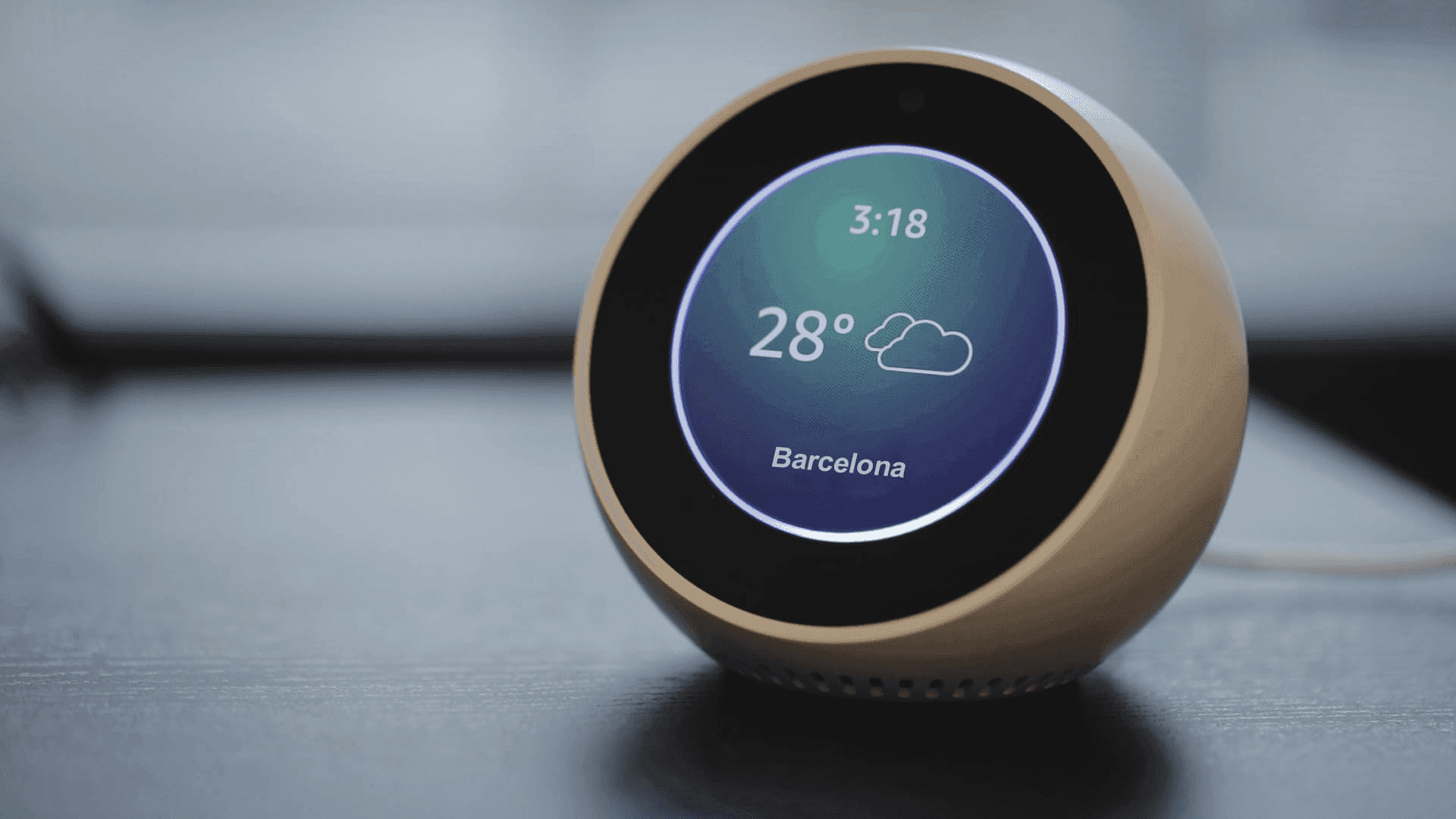
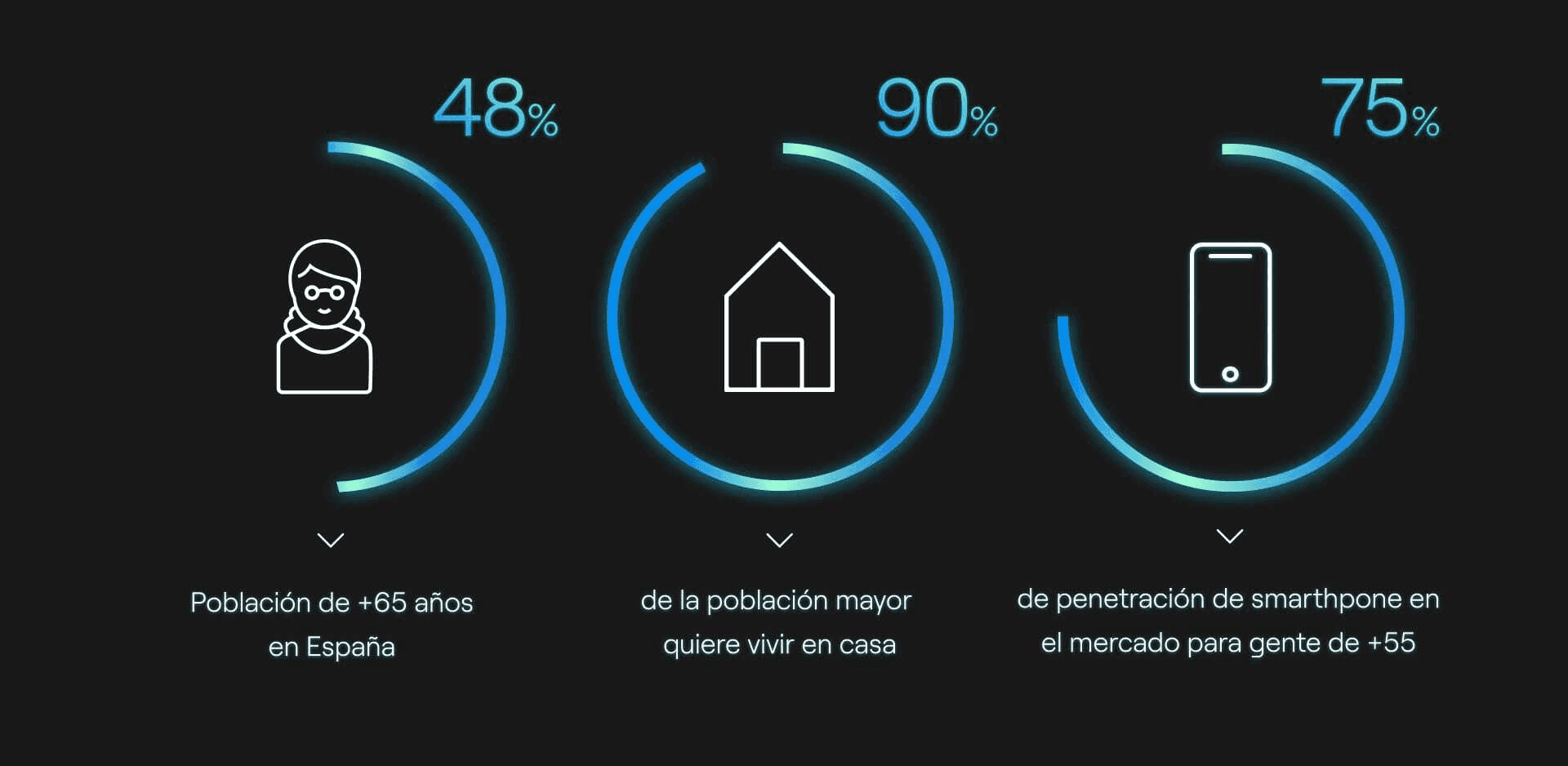
The global population is aging, and for the first time in history, by 2045, the population over 65 will be the largest age group in the world. In Spain alone, there will be 12.4 million elderly people by 2033. These figures present us with evidence: we need tools that allow us to assist and care for our elderly relatives or those with care needs.
In this scenario, we considered how to use our knowledge of voice assistants to serve gerontechnology.
How could we apply technology to improve the quality of life for the elderly and those who care for them?
With this question in mind, we began researching the needs of the elderly and people with special needs to understand their real needs and identify areas for improvement in their experience.
There is a clear global trend in designing and implementing technological solutions aimed at helping the elderly, both in their healthcare and in promoting a better quality of life, allowing them to lead a full and independent life. The field of voice assistants still has a long way to go.
We know that:
- 90% of older adults wish to remain in their homes, even if they need daily assistance or continuous care.
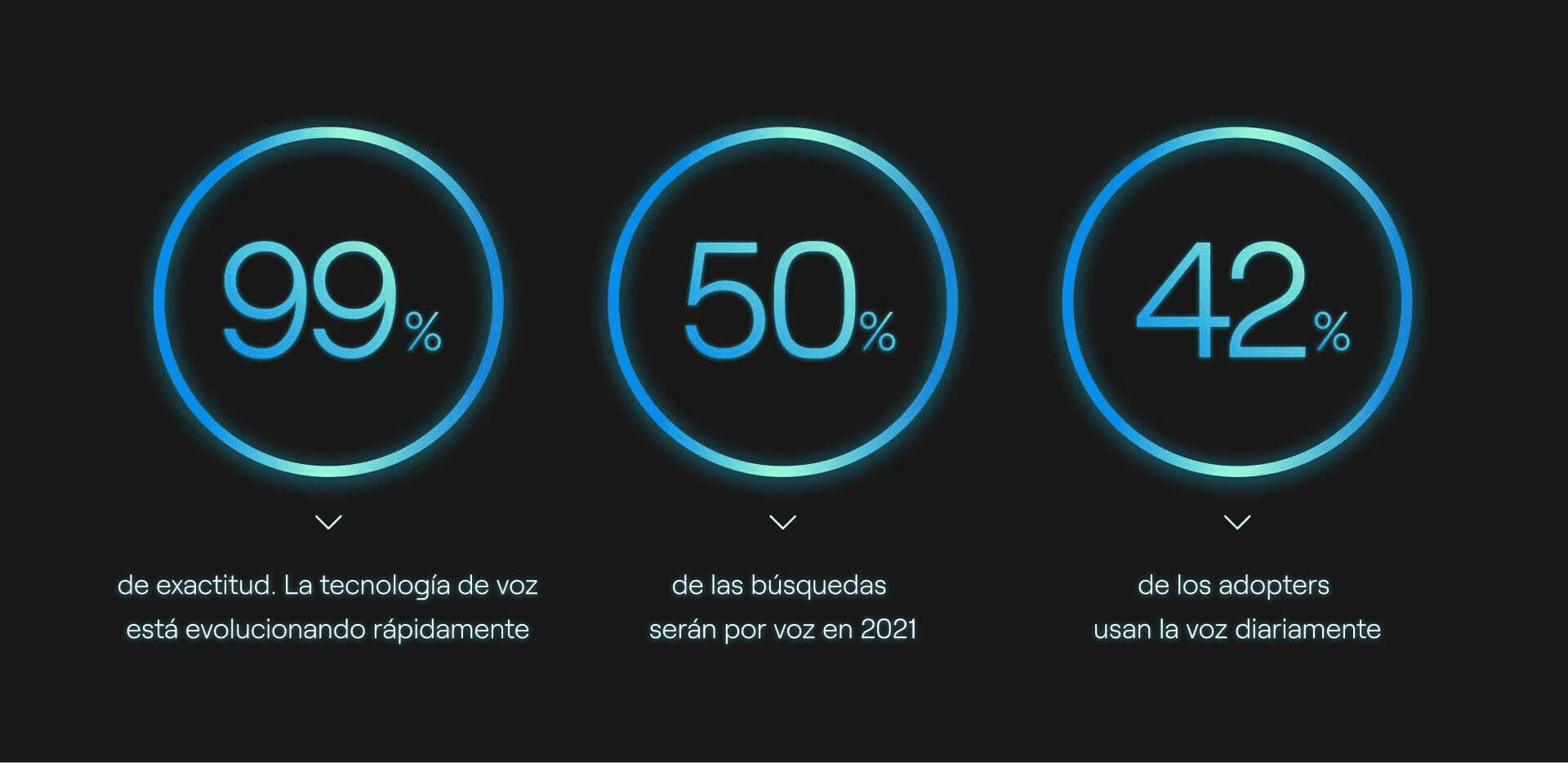
- 50% of searches in 2021 will be voice-based
- 99% accuracy level reached in voice technology
Here we detect an opportunity!
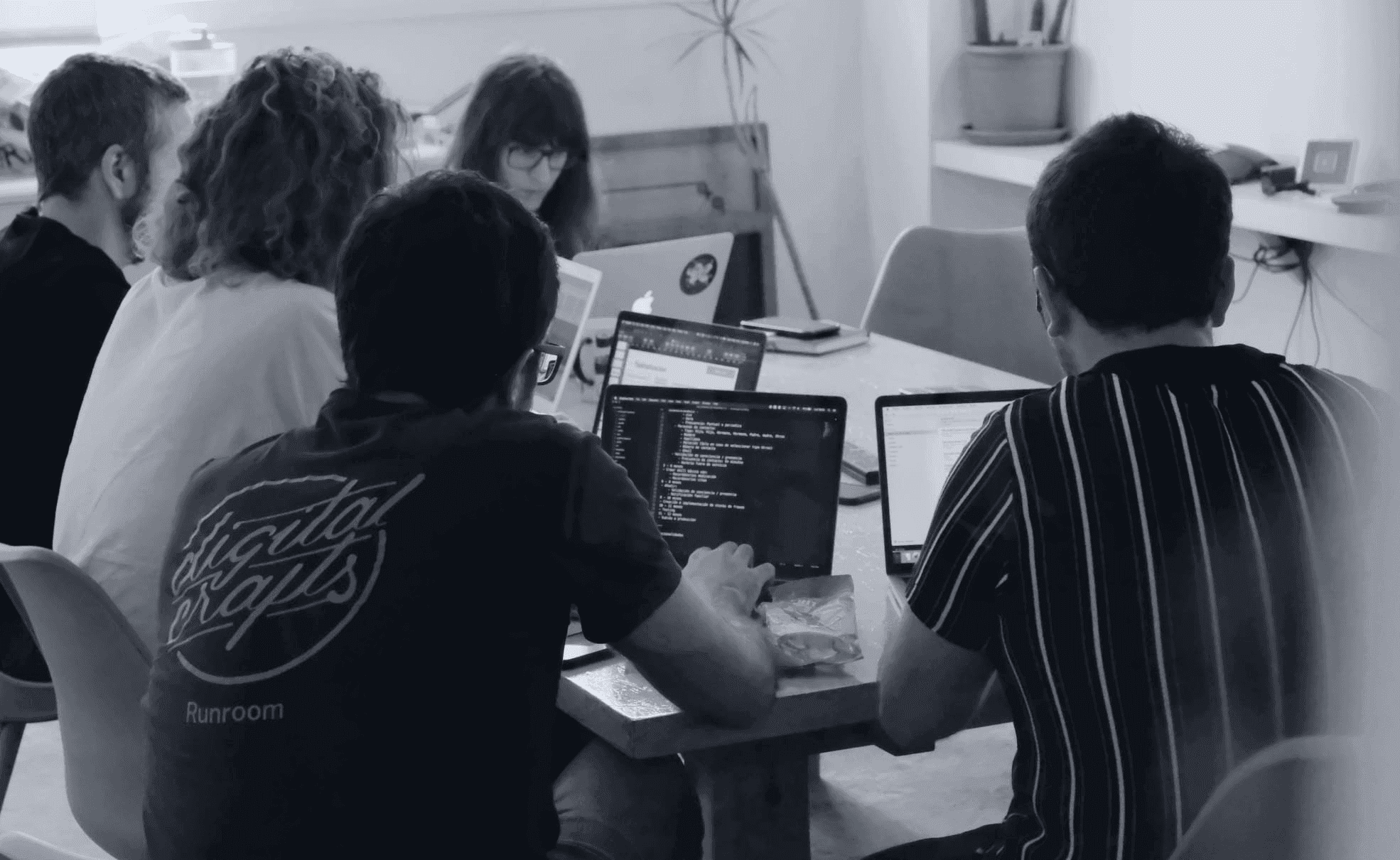
“El enfoque centrado en el paciente ayuda a desarrollar soluciones más significativas a sus problemas y necesidades reales. César Úbeda, Chief of Experience Officer y Partner, Runroom”
Who are we targeting?
In the user research phase, we identified 4 main archetypes:
- Elderly. People between 65 and 85 years old who usually interact with a smartphone
- People with special needs. People recovering from a difficult operation, a chronic condition, or special needs requiring particular attention
- Caregivers. Paid or unpaid members of the patient's environment, offering assistance in tasks or daily life.
- Healthcare professionals: Health personnel, social workers, socio-health technicians, etc.
And for each archetype, based on real interviews, we developed in-depth Personas.
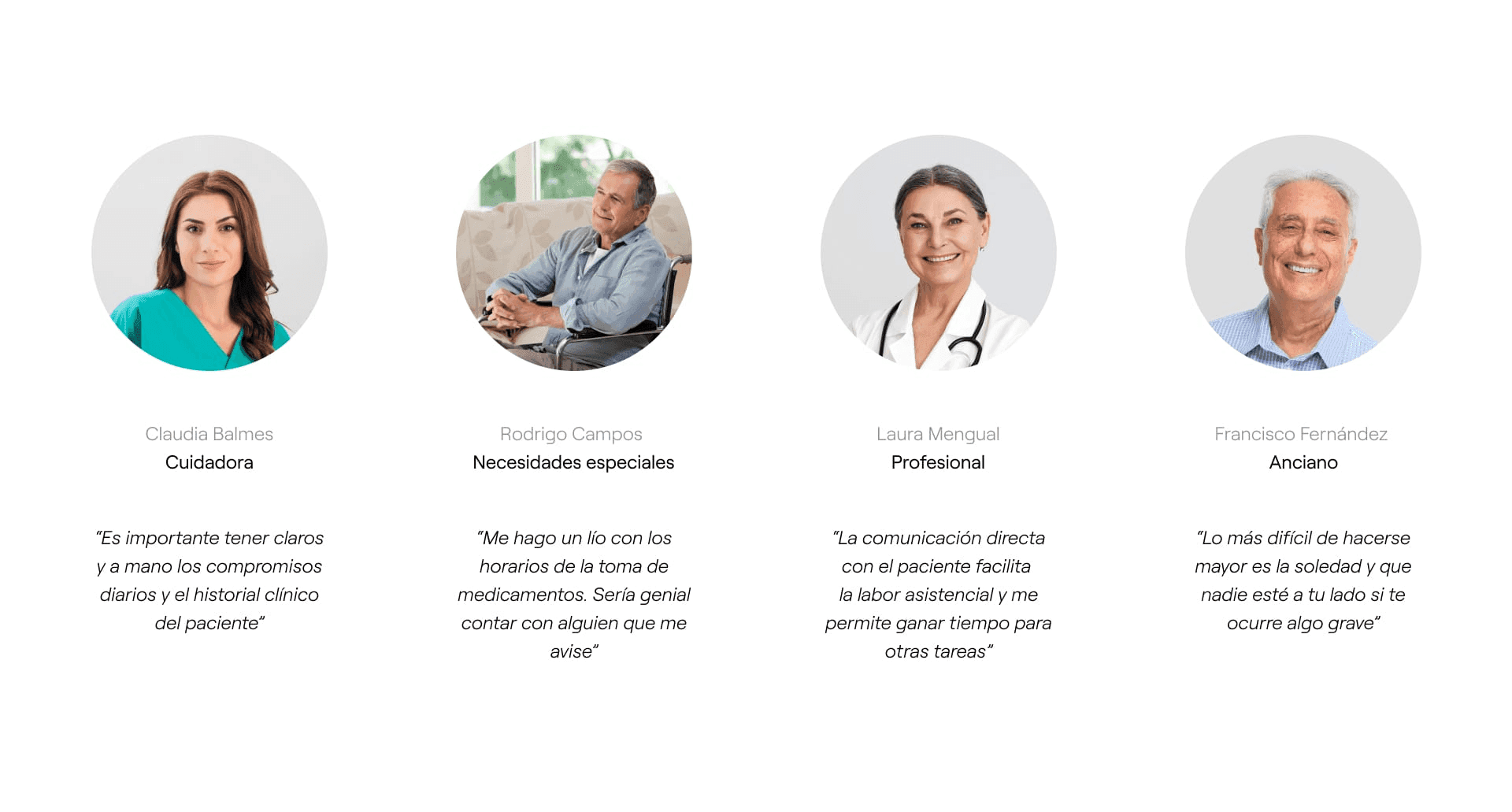
“El mundo digital es cada vez más complejo. El mapeo de nuevos puntos de contacto e interfaces ayuda a lidiar con este aumento de complejidad. Laura Polls, CX Researcher, Runroom”
We conceptualized and prototyped Alexa “We Care,” a tool to help the elderly live more independently.
Alexa “We Care” is a Skill designed for the elderly or people with special needs who spend a lot of time alone at home, to offer them a "more independent" life, addressing a primary problem for people needing healthcare and emergency assistance and for their families and caregivers.
The Skill aims to ensure peace of mind, safety, and independence for its users in their own homes. Especially for those who live or spend time alone.
“Una visión end-to-end ayuda a alinear el equipo en torno a un punto de vista compartido que, a su vez, puede ayudar a abogar por la inversión en nuevas tecnologías interactivas. Jordi Hernández, Chief of Information Officer y Partner, Runroom”
It is the perfect solution for both the elderly and their families, knowing they are connected to emergency assistance if needed.
It also accompanies the patient in daily routines, with reminders about their medications, medical appointments, and other advice related to their physical and mental well-being with everyday questions like "is the door properly closed?" or creating memory games.
The Skill invites users to interact daily through questions and reminders and learns through conversation with users, from the information users provide about themselves, their preferences, and history.
Alexa We Care is a solution that private consumers can install through their mobile devices and that hospitals can offer for free or by subscription, to empower patients in health matters and improve communication between patients and healthcare employees.
Our research process is based on key principles:
- People first:We put people first, with a customer-centric approach to thoroughly analyze the real and specific needs and frustrations of each user.
- Real data: We work from real people, reflecting usage patterns and mapping them in user journeys with specific touchpoints for each archetype. The global analysis of the journey allows us to detect opportunities for improvement in the Customer Experience and explore new use cases.
- Test and iterate: Based on this information, we ideate, design, test, and iterate solutions to improve this experience.
- Holistic vision: Having a multidisciplinary team, composed of consultants, researchers, developers, designers, and marketers, allows us to address all touchpoints of a journey, without focusing only on some aspects of the experience, obtaining more complex and complete mappings.
- Agility: Being able to innovate at an early stage of the journey and respond quickly and effectively to analyzed context or behavior changes, thanks to an iterative methodology based on continuous improvement and early and frequent delivery of value.
Let's transform your customers' experience together!
Transforming the patient experience requires a committed team and a patient-centric approach.
Tell us about your project and let's start together!
Alexa We Care Skill was selected among the finalist projects of the Europe Alexa Cup 2019.
An achievement that makes us happy and invites us to continue researching how to adapt technology to the specific needs of today's society, to find solutions with a direct impact on the Customer Experience.
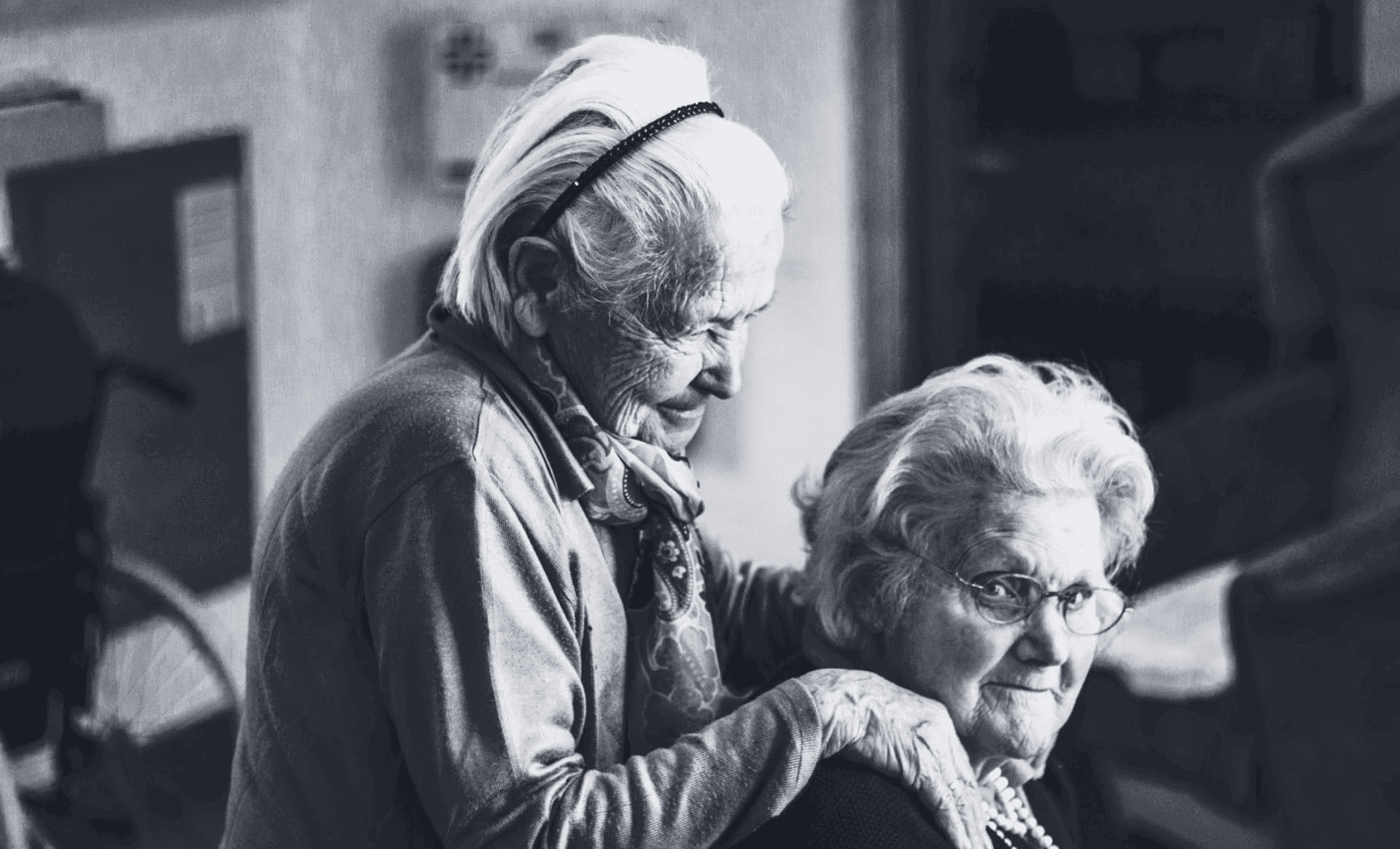
*Alert: Technology and technological advances in the healthcare sector are key to preventing and caring for our loved ones, but nothing surpasses the power of a hug.
More success stories





Let's talk
Tell us about your challenge, and we'll explore how to turn it into a growth opportunity together.