Realworld
From Developers to Product Creators: The Mindset Shift That Makes the Difference · LAB
Join our community.
We invite you to participate in the upcoming Runroom LAB and events we organize at Runroom. Check the upcoming dates.
In today's software development, writing code is no longer enough. The most competitive organizations are not just looking for good developers, but professionals capable of thinking in terms of product. This is where the concept of Product-Minded Development comes into play: an evolution of the technical role towards a more strategic profile, connected with the business and the user.
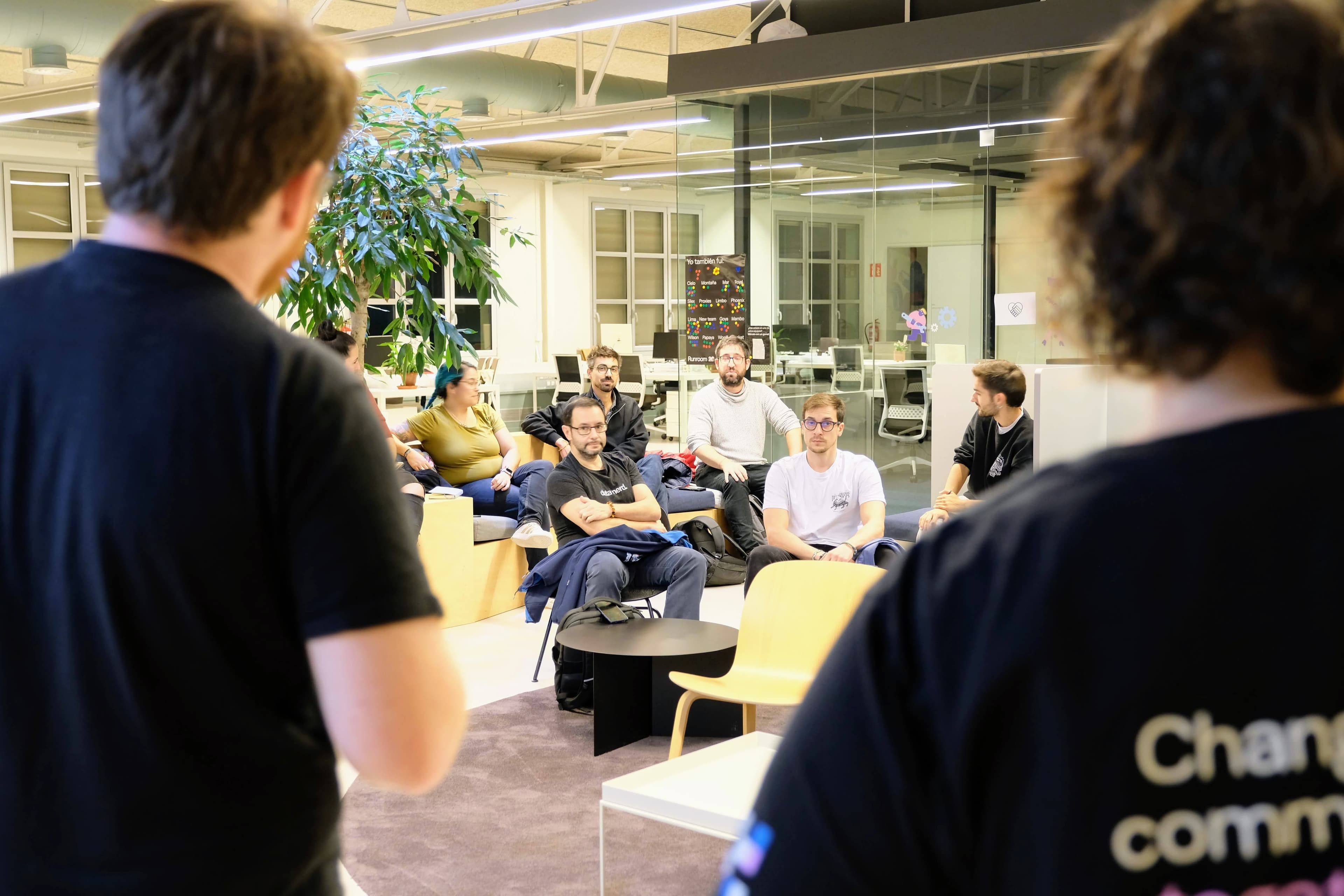
This approach was the central theme of a recent Runroom LAB, where the focus was on transforming the mindset of development teams to generate greater real impact.
What does it mean to have a product mindset?
Adopting a product mindset means moving beyond just technical execution and starting to understand the why behind every decision.
A product-oriented developer not only builds features but understands:
- Who the product is for
- What problem is being solved
- What impact it has on the business
- How success is measured
In other words, they transition from being an executor to becoming an active agent in value creation.
The benefits of being Product-Minded
When developers adopt this mindset, the change is profound both at the individual and team level:
1. Greater commitment
Understanding the product context creates a stronger connection with the work. It's not just about tasks, but about outcomes.
2. Better business understanding
The developer stops working in the abstract and starts aligning their decisions with real business objectives.
3. Proactivity and autonomy
It encourages the ability to question, propose improvements, and make decisions with their own judgment.
4. More efficient communication
The use of a common language (ubiquitous language) facilitates collaboration between technical and business profiles.
5. Rapid validation and continuous learning
The fail fast, learn fast approach allows for quick hypothesis validation and avoids large investments in incorrect solutions.
6. Shared ownership
The product ceases to be the responsibility of a specific role and becomes a collective goal.
The questions that change everything
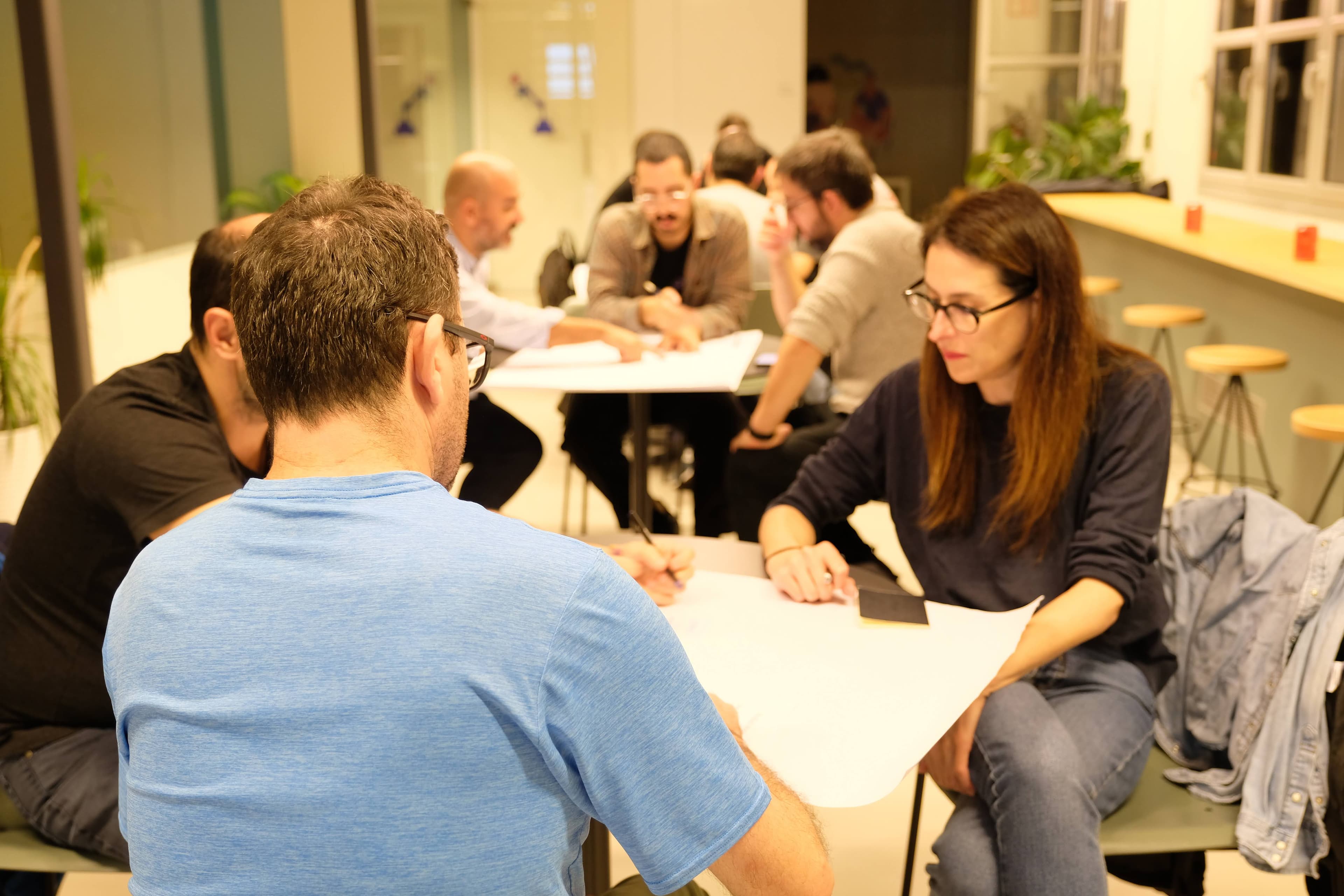
One of the key learnings from the workshop was surprisingly simple but uncommon in practice:
Before building, the right questions must be asked:
- Who is this for?
- How many people need it?
- Why is it important to solve?
Although they seem basic, they are often omitted, leading to technically correct but business-irrelevant solutions.
From output to impact: the real change
The mindset shift is not just about making better features, but about changing the focus:
- From delivering features → to generating impact
- From meeting requirements → to solving real problems
- From measuring outputs → to measuring outcomes
This approach aligns with current trends like evidence-based development, where decisions are validated with data and experimentation to reduce risks.
The role of the developer in product teams
In modern teams, the developer is no longer an isolated actor. They are part of a system where:
- They collaborate closely with product and design
- They participate in discovery, not just delivery
- They provide technical insight in strategic decisions
This model fosters more autonomous multidisciplinary teams capable of iterating quickly and generating continuous value.
Conclusion
Product-Minded Development is not just another methodology, but a cultural change.
It involves evolving from a technology-centered vision to an impact-centered vision. And on this path, the developer stops being simply a builder and becomes a co-creator of product.
Because in the end, it doesn't matter how much code we write, but how much value we generate.
A Runroom LAB with
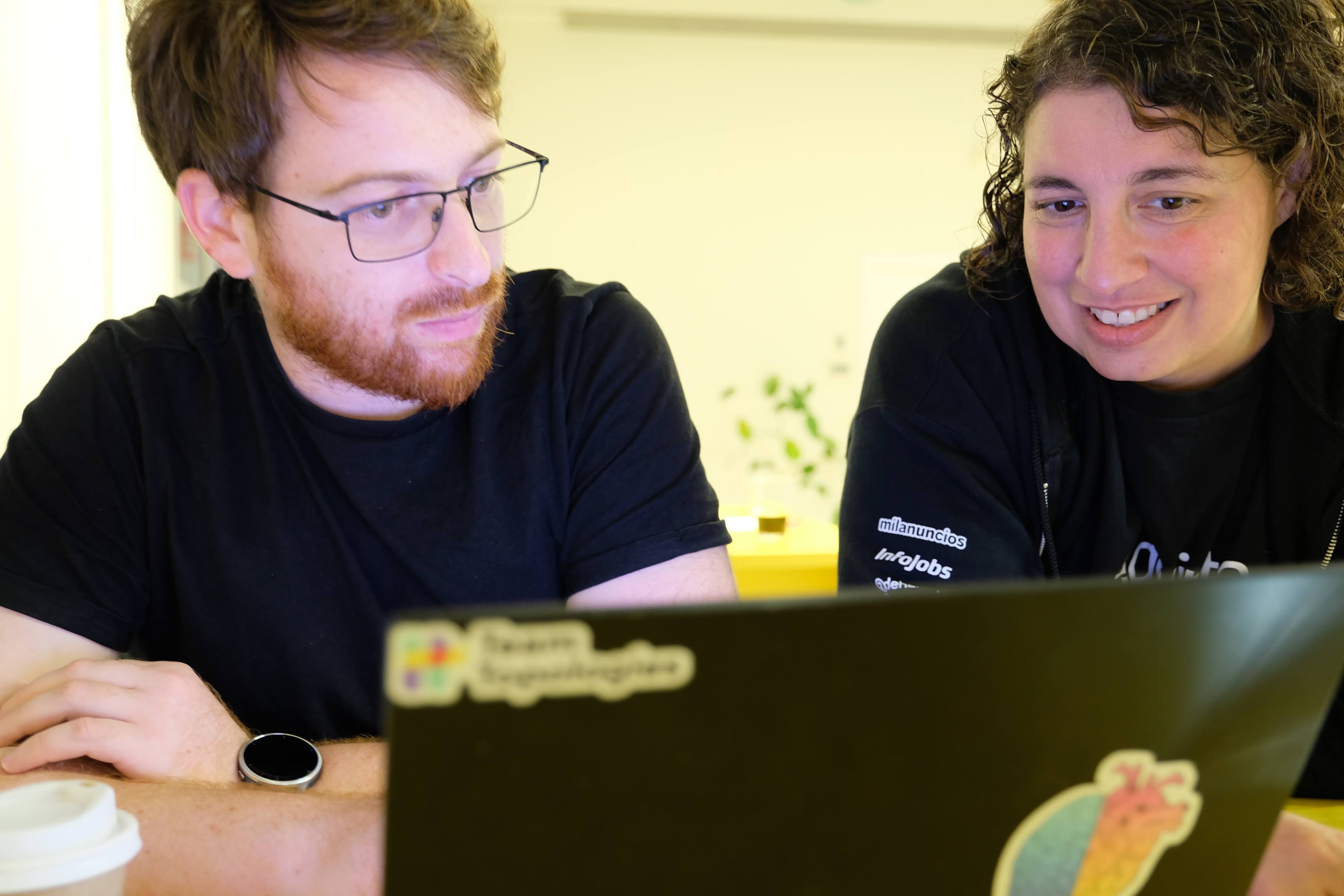
Ana Carmona
Sr. Engineering Manager at Adevinta.
Ana has been working in the software world for over 20 years, from developer to now leading high-performance teams. Her pragmatic vision focuses teams on delivering value and product. Her second job is being a mother of two children and her hobbies include sports, friends, and walking outdoors.
Ana on LinkedIn
Aleix Morgadas
Engineering Strategy Consultant.
Aleix is a computer engineer who transformed into an engineering manager. He is now CPO at Teamperature. His focus and vision of software have evolved thanks to the different roles and products he has been exposed to. In his free time, he writes about engineering strategy and his experiences as a technical leader.
Aleix on LinkedIn
Let's talk
Tell us about your challenge, and we'll explore how to turn it into a growth opportunity together.